• Ramon Puig
  • Who’s Ramon Puig ?
  • The conscious entrepreneurs journal
  • Conscious businesses hub
  • Contact me
  • Shop
  • Companies

    Australian Innovation for a Sustainable Future

    Change Foods is a unique food-tech company with a mission to disrupt the dairy industry. Founded in 2020 by an Australian-US team, they’re taking the concept of “alternative dairy” a step further. Instead of relying on plant-based substitutes, Change Foods leverages the power of precision fermentation. This innovative approach uses friendly microbes to create the same proteins and fats found in traditional dairy products – but without involving any animals.

    From Aerospace Engineer to Cheesemaker: The Story Behind Change Foods

    David Bucca, Change Foods’ co-founder, brings an unexpected background to the table. Originally an aerospace engineer at Boeing, David’s passion for sustainability and ethical food systems led him to food innovation. Partnering with Professor of Bioengineering, Junior Te’o, they envisioned a future where delicious dairy products wouldn’t come at the environmental and ethical cost of conventional dairy farming.

    Change Foods’ headquarters are located in the heart of Silicon Valley, California. However, their Australian roots run deep. They maintain a strong presence in Australia, with ongoing research and development happening at Queensland University of Technology (QUT) in Brisbane. This Brisbane lab is where the magic happens – where scientists are developing the first prototypes of Change Foods’ animal-free dairy products.

    What Makes Change Foods Different?

    Plant-based dairy alternatives have seen a surge in popularity in recent years. While Change Foods acknowledges the value of plant-based options, their focus lies on replicating dairy at a more fundamental level. Through precision fermentation, they can create the exact same casein and fats (lipids) found in milk.

    Here’s a breakdown of the science:

    • Precision Fermentation: Microbes are essentially tiny factories. Change Foods identifies and selects specific microbes that can be “programmed” to produce the desired dairy proteins and fats through a fermentation process.
    • Bioidentical Dairy: The proteins and fats produced by the microbes are identical to those found in cow’s milk. This means Change Foods’ products have the same taste, texture, and functionality as traditional dairy.
    • Sustainable and Ethical: Precision fermentation uses significantly less land and water than conventional dairy farming. Additionally, it avoids the ethical concerns associated with animal agriculture.

    Change Foods: A Win for Consumers, the Planet, and Animals

    We dream of a world with a
    thriving and sustainable food
    system that is kind to people,
    animals and the planet.

    Change Foods’ mission goes beyond simply offering a delicious dairy alternative. Here’s how their approach benefits consumers, the environment, and animal welfare:

    • For Consumers: Change Foods promises dairy products that are indistinguishable from the traditional kind, but potentially with additional health benefits and without the lactose. This caters to a growing segment of consumers seeking sustainable and ethically-sourced dairy options without compromising on taste or experience.
    • For the Planet: Conventional dairy farming has a significant environmental footprint. Change Foods’ precision fermentation process requires less land and water, contributing to a more sustainable food system.
    • For Animals: Change Foods’ products eliminate the need for animal agriculture, promoting better animal welfare.

    Change Foods: A Look at the Future

    Change Foods is still in the early stages of development. However, they have already garnered significant recognition within the food-tech industry. In 2022, they received a $1 million grant from the Australian Commonwealth Government to support their research into sustainable feedstock for their fermentation process.

    With a growing team of scientists and a commitment to innovation, Change Foods is poised to revolutionize the dairy industry. Their approach offers a glimpse into a future where we can enjoy delicious and nutritious dairy products without harming the environment or animals.

    This is just the beginning of Change Foods’ story. As they continue to develop their products and reach the market, they have the potential to reshape the way we think about – and consume – dairy.

    1. R. Puig on The Future is Here: Map and Zap® AI Lasers Target Weeds, Not Your CropsAugust 6, 2025

      good post!

    Leave a Reply Cancel reply

    You must be logged in to post a comment.

    FacebookTwitterEmail
  • General

    The Rising Tide of Ocean Conservation: A Comprehensive Industry Analysis

    The health of our oceans is intricately linked to the health of our planet. With mounting concerns over pollution, climate change, and overfishing, the need for effective ocean conservation has never been more urgent. In recent years, a wave of organizations has emerged, dedicated to protecting and preserving our marine ecosystems. From large-scale initiatives like The Ocean Cleanup to grassroots movements like Plastic Tides, these organizations play a crucial role in safeguarding the future of our oceans.

    Introduction to the Ocean Conservation Landscape

    The landscape of ocean conservation is vast and varied, encompassing a diverse array of organizations, initiatives, and campaigns. At the forefront of this movement are organizations such as The Ocean Cleanup, which aims to rid the world’s oceans of plastic pollution using innovative technologies. Founded by Boyan Slat in 2013, The Ocean Cleanup has gained widespread recognition for its ambitious goal of cleaning up the Great Pacific Garbage Patch, a massive accumulation of plastic debris floating in the Pacific Ocean.

    Key Players in Ocean Conservation

    In addition to The Ocean Cleanup, several other key players have emerged in the field of ocean conservation. The 5 Gyres Institute, for example, focuses on research and education to combat plastic pollution in the world’s oceans. Through expeditions, scientific studies, and advocacy efforts, 5 Gyres works to raise awareness about the impact of plastic pollution and promote solutions to address this pressing issue.

    More oceans , less plastic

    Plastic pollution is found in every corner of the globe, contaminating the environment, entangling countless marine and land animals, threatening communities, and contributing to the climate crisis.

    The 5 Gyres

    Oceana, another prominent organization, takes a comprehensive approach to ocean conservation, advocating for policies to protect marine biodiversity and combat illegal fishing practices. With offices around the world, Oceana works to promote sustainable fisheries management and marine habitat protection, partnering with governments, NGOs, and local communities to achieve its goals.

    Similarly, the Ocean Conservancy is dedicated to finding science-based solutions to ocean conservation challenges. Through research, advocacy, and community engagement, the Ocean Conservancy addresses issues such as marine pollution, climate change, and habitat destruction, working to ensure a healthy and thriving ocean for future generations.

    Collaborative Efforts and Global Initiatives

    In recent years, there has been a growing recognition of the need for collaboration and collective action in the field of ocean conservation. Initiatives like TeamSeas, a collaborative effort between content creators and environmental organizations, aim to raise awareness and funding for ocean cleanup projects around the world. By harnessing the power of social media and online communities, TeamSeas has mobilized millions of people to support its mission of cleaning up the world’s oceans one pound at a time.

    Similarly, organizations like Plastic Oceans International and Big Blue Ocean Cleanup are working to raise awareness about the impact of plastic pollution on marine ecosystems. Through educational programs, advocacy campaigns, and beach clean-up events, these organizations are empowering individuals and communities to take action to reduce plastic waste and protect our oceans.

    Emerging Trends and Innovations

    In addition to traditional conservation efforts, there is a growing focus on innovation and technology in the field of ocean conservation. Everwave, for example, is developing cutting-edge technologies to remove plastic waste from the ocean using solar-powered drones. By harnessing the power of renewable energy and artificial intelligence, Everwave aims to scale up ocean cleanup efforts and make a significant impact on the global plastic pollution crisis.

    Cleanhub, another innovative startup, is leveraging blockchain technology to track and trace plastic waste throughout its lifecycle. By providing transparency and accountability in the supply chain, Cleanhub aims to incentivize businesses to reduce plastic usage and invest in sustainable alternatives.

    Challenges and Opportunities

    Despite the progress being made in the field of ocean conservation, significant challenges remain. Climate change, overfishing, and habitat destruction continue to threaten marine biodiversity and ecosystem health. In addition, the COVID-19 pandemic has exacerbated these challenges, leading to increased plastic pollution and disruption of conservation efforts.

    However, with these challenges come opportunities for innovation and collaboration. As awareness of the importance of ocean conservation grows, there is a greater sense of urgency and determination to find solutions to address these pressing issues. By working together and harnessing the power of technology, science, and community engagement, we can create a more sustainable and resilient future for our oceans and the planet as a whole.

    Conclusion

    The field of ocean conservation is evolving rapidly, driven by a diverse array of organizations, initiatives, and innovations. From large-scale clean-up efforts to grassroots campaigns, these organizations are working tirelessly to protect and preserve our marine ecosystems for future generations. As we confront the challenges of climate change, pollution, and overfishing, the need for effective ocean conservation has never been more urgent. By coming together and taking action, we can ensure a healthy and thriving ocean for generations to come.

    1. R. Puig on The Future is Here: Map and Zap® AI Lasers Target Weeds, Not Your CropsAugust 6, 2025

      good post!

    Leave a Reply Cancel reply

    You must be logged in to post a comment.

    FacebookTwitterEmail
  • General

    What would the world be today if no-one had ever denounced the lack of justice surrounding irresponsible or even criminal practices? Well probably hell on Earth! If no one had ever exposed the crimes against humanity done by Hitler in the 1930s, or its counter communist part Stalin? We would probably live in a truly Orwellian world where no one would have freedom of speech or thought.

    Sadly, we are living in the capitalist equivalent of an Orwellian nightmare, where people are so free, they can buy and eat whatever crap they want and throw away their garbage unpunished, filling lands, oceans, and rivers with deadly chemicals, polluting our planet, and jeopardizing the future of our descendants. How irresponsible is that? Well, too much!

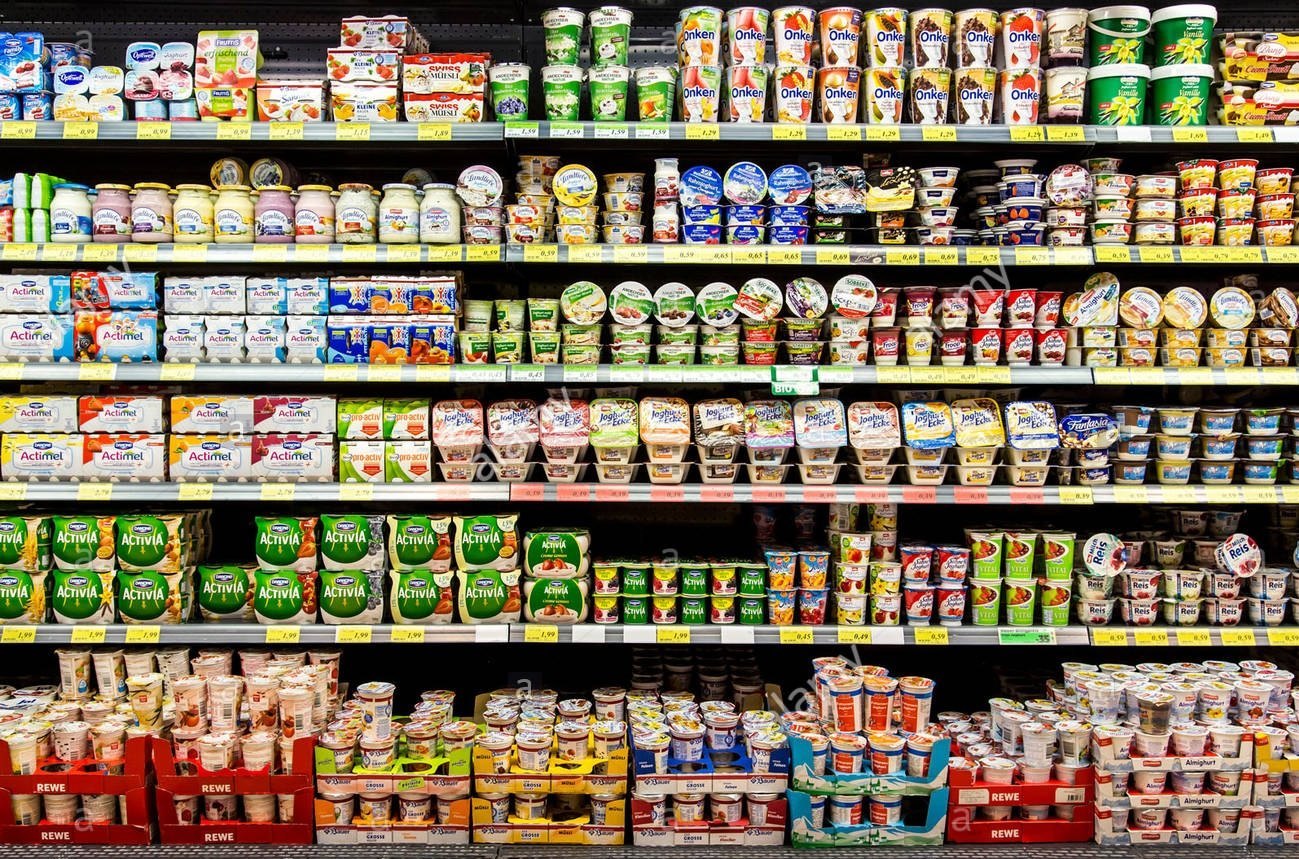
    Remember that big supermarket chains have the ultimate responsibility in deciding which brands they sell. Many supermarkets have created their own brands to increase their profit margins with white labels, but they don’t do it to protect the environment at all. When will supermarkets start to cure their shelves in favor of socially responsible brands?

    Their power is enormous, and the brands know and use all of their lobbyist resources to reach their goals and gain more distributors at all cost.

    We, conscious consumers, who care for our planet need to lobby as well, and boycott with our buying decisions, but it seems this is a slow battle, and we need to take action in other ways, exposing the supermarkets who are accomplices to bad brands like Nutella, who is alone responsible for a large part of the Indonesian rainforests, habitat to orangutans, to be destroyed in order to plant palm oil. Palm oil which they use to make their product less expensive but still keep an attractive consistency in exchange for our natural biodiversity and the habitat of thousands of endangered species.

    If supermarkets keep aiming at reducing costs at any social cost and without moral and legally binding obligations, with a shortsighted view of the future, the environment will keep suffering.

    Imagine mountains of trash coming from a Carrefour supermarket every day. Banana plastic wraps that you take to your kitchen, from there, to trash landfills or incineration facilities or exported to a third world country to be discharged into the sea, very probably ending up in the food chain and sooner or later into breast milk fed to babies.

    Studies have shown that nano plastics generate genetic and hereditary diseases not only in children but also in descendants. No wonder why there are more and more genetic hereditary sicknesses. For now, you may be lucky, but if the trend continues, by polluting our food chain you may find your family inheriting such diseases as well.

    Another company that seems to have followed Carrefour’s bad practices is Mercadona. One only needs to walk around the fruit and groceries section to see how wrapped in plastic all their stuff is. What annoys me is when you read a sign saying you need plastic gloves to manipulate fruits.

    Mercadona, how much more plastic do you want us to waste ?

    When you buy bread, you also get the typical paper wrap with a small transparent plastic window. Really??? Is this really necessary? NO!

    Our grandmothers did not need plastic to wrap the bread, so why do we?

    Is it really so important to be able to see the bread inside? Can’t we just trust the supermrket and see it at home and if it’s not what we wanted, take it back or never buy it again?

    This horrible practice can be observed in other supermarkets aswell, like BonPreu or Lidl. Bonpreu is a Catalan company proud to portray its Catalan origin by supporting local producers but does little to protect the environment from plastics, as they share similar bad practices as Mercadona.

    The cashiers are still commanded to offer the plastic bags to the customers. This is also done at Carrefour and Mercadona . This tactic is perhaps aimed at generating extra income from the bags which are sold 5 cents each, adding an extra hundred thousand euros per month with this simple but polluting tactic.

    Lidl is a German supermarket chain. German companies have the reputation of being greener than the rest, but this does not apply outside their borders most probably as you can see the same bad practices aswell.


    Conclusion
    The supermarkets are great accomplices of the socially irresponsible brands. They are the ones who help them to get to the public, and their decisions influence the consumers as well.The costs reduction strategies are always a highest priority for them and cutting out on waste management spending, their benefits are even higher for their investors.

    If we  select the brands which are the most socially responsible when we buy we can force the supermarkets to benefit them.  Nonetheless in my opinion we should force them to comply with zero waste management systems  reducing the use of single-use plastics, etc. Its up to us to reinforce the movement and gain public attention and influence if we want to create a healthier and greener future for our families.

    1. R. Puig on The Future is Here: Map and Zap® AI Lasers Target Weeds, Not Your CropsAugust 6, 2025

      good post!

    Leave a Reply Cancel reply

    You must be logged in to post a comment.

    FacebookTwitterEmail

Popular posts

  • The Future is Here: Map and Zap® AI Lasers Target Weeds, Not Your Crops

    August 6, 2025
  • Imagination as a service

    April 17, 2025
  • Forcing you to eat insects to safe the planet

    July 8, 2024
  • How Tokenized TradFi Assets Are Challenging DeFi’s Autonomy from CeFi

    June 20, 2024

Editor picks

  • The Future is Here: Map and Zap® AI Lasers Target Weeds, Not Your Crops

    CompaniesEcology
  • Imagination as a service

    General
  • Forcing you to eat insects to safe the planet

    Society
Ramon Puig

Be the change maker you want to be in this world

  • Ramon Puig
  • Who’s Ramon Puig ?
  • The conscious entrepreneurs journal
  • Conscious businesses hub
  • Contact me
  • Shop

© 2022-2026 GUTENMATE THEME. ALL RIGHTS RESERVED.

It looks like you're using an ad-blocker!

If you appreciate our content, kindly consider supporting our site by disabling your adblocker. Our ability to continue producing high-quality content, which you can enjoy without any cost, relies on the revenue generated from advertisements.

Yes, I will turn off Ad-Blocker
No Thanks